Top Trends Every Interior Designer in Delhi Recommends
The interior design is changing at a high pace as people want to have a place that is not only comfortable but also functional and attractive. In 2025, designs are oriented on enhancing the quality of lifestyle and reflecting personal identity. An interior designer in delhi ncris one who is aware of these evolving needs and introduces the global trends in the urban Indian homes. Regardless of whether you are residing in a small apartment or a large home, the correct design decisions can change how you live.
Rise of Modern Urban Living in Delhi
The lifestyle in Delhi has grown to be more hectic with a need for homes that promote convenience, health, and effective space utilization. Individuals have demanded interiors that are practical and do not affect style. The price of real estate is high, with a low living space, so careful planning is needed. A professional interior designer delhi can come up with smart designs, practical areas and beautiful interiors that are specific to modern living.
Trend #1: Sustainable and Eco Friendly Interiors
Green living is taking precedence. The designers are incorporating bamboo wood, reused furniture, natural fabrics, and energy-saving lighting to design healthy interiors. These options minimize the effects that are harmful to the environment as well as preserving beauty. Sustainability is a design trend that is favored by homeowners because of better air quality and durable materials.
Trend #2: Smart Home Automation
Technology has become an essential element of interior design. Smart lights, motion sensors, smart locks, voice controlled appliances and climate control systems are convenient and efficient. An experienced interior designer in delhi will be able to incorporate these features into the space in a way that technology does not seem to be an intrusion but an addition to everyday life.
Trend #3: Earthy and Neutral Color Palettes
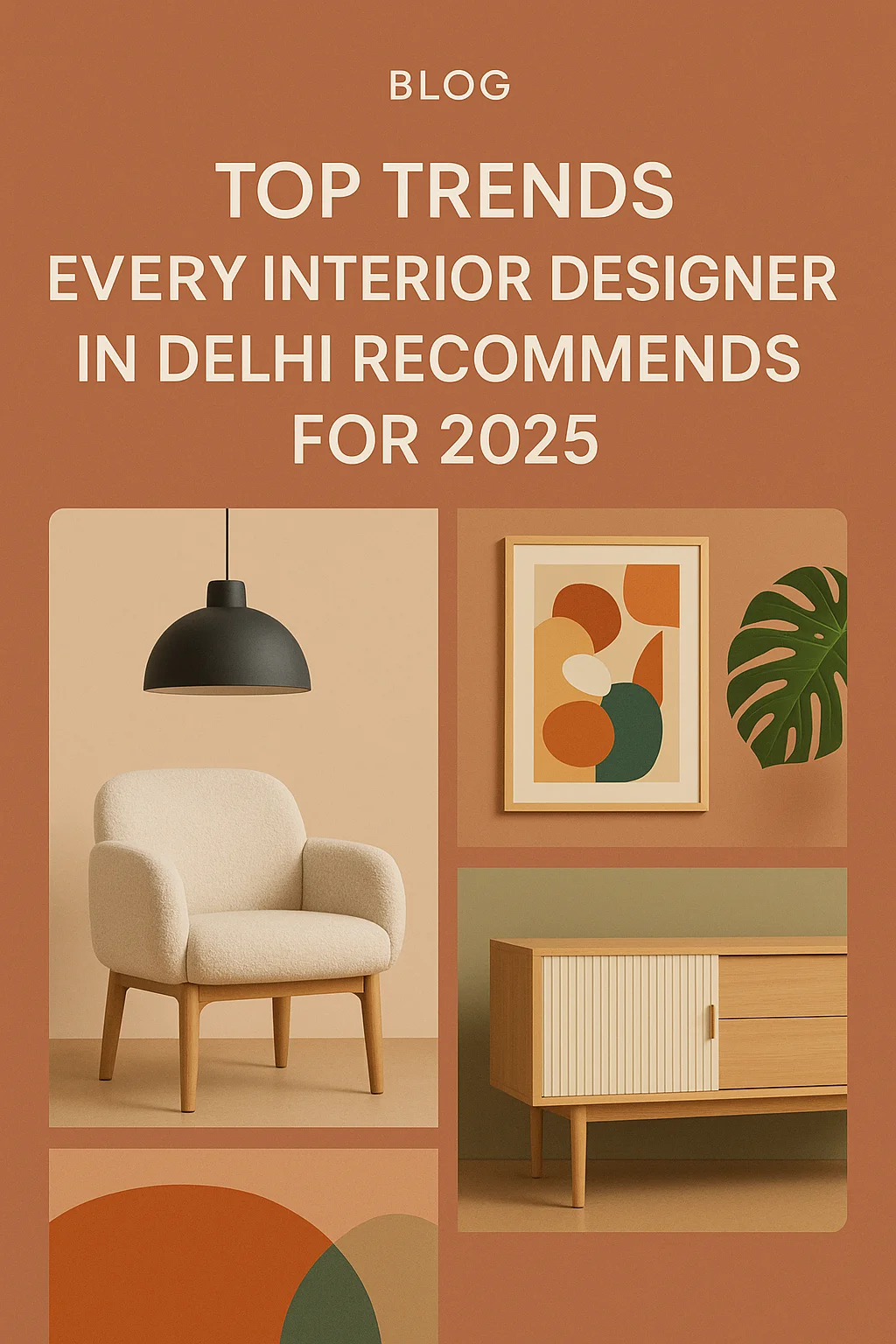
Neutral and warm colors are taking over interiors in 2025. The use of soft beige, natural browns, muted greens and sand tones provides relaxing spaces that are perfect in busy urban living. Such colours are suitable to be used with wood, stone and textured fabrics which make homes look peaceful and timeless to any age group.
Trend #4: Multi Functional Furniture
Saving space solutions are necessary in the homes of Delhi NCR. Foldable tables, sofa beds, nesting stools and wall mounted desks are used to maximize small spaces. Functional furniture also enables the residents to have a sense of being versatile without creating clutter. A professional interior designer delhi ncr makes sure that the furniture arrangement is conducive to comfort and easy movement.
Trend #5: Statement Ceilings and Bold Lighting
Ceilings are turning into an artistic wall with rough textures, faint designs, or wood finishes. Lighting too contributes significantly and sculptural pendants, layered lighting, and designer fixtures provide elegance. These features assist in accentuating the architectural features and enhancing the atmosphere immediately.
Trend #6: Biophilic Design for Healthier Living
The trend of bringing nature into the home remains popular. Plants (indoor), natural light, organic textures, and water inspired decor contribute to the creation of calm spaces that promote mental wellbeing. Biophilic design is particularly appropriate to the high stress urban lifestyle in Delhi, offering a restorative relationship with nature within the house.
Trend #7: Minimalist Luxury Interiors
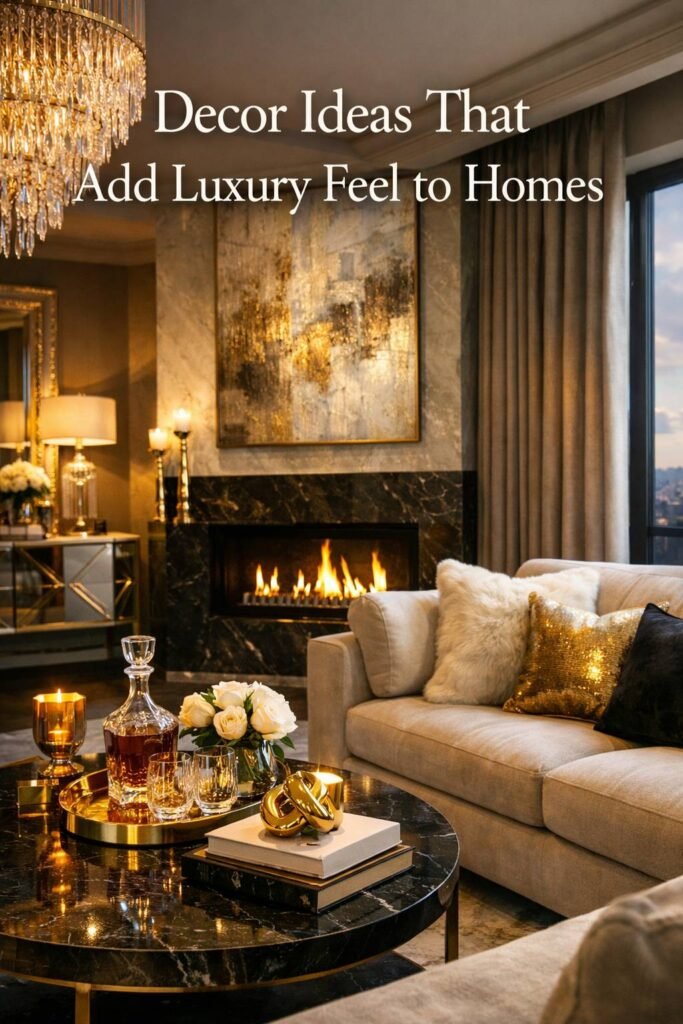
Minimalism is being uplifted with high quality materials like marble, brass, cozy lighting and plush furniture. The concept is to make clutter free areas that are embellished with modest luxury. Minimalistic designs, symmetry, and the choice of decorative items provide homes with a contemporary and comfortable atmosphere that would attract high-end buyers.
Trend #8: Modular Kitchens With Smart Storage
Kitchens are also becoming more efficient in the modular layouts by incorporating tall units, drawer organizers, corner solutions, and soft close systems. Smart appliances, convenient countertops and hidden storage add functionality. A qualified interior designer in delhi ncr makes sure that the kitchen is not only fashionable but also very practical in daily use.
Trend #9: Personalized Decor and Custom Furniture
Homeowners are adopting decor that identifies them. Furniture, handmade decor, custom artwork, and color combinations are becoming popular. Custom designs add personality to a room and transform a house into a meaningful, personal home.
Trend #10: Mix of Indian Craft and Modern Design
Traditional Indian craftsmanship is being beautifully paired with contemporary interiors. Cane furniture, brass decor, handwoven fabrics, and jaali patterns blend seamlessly with modern layouts. This fusion adds culture, warmth, and artistry, making interiors feel both modern and deeply rooted in Indian heritage.
Conclusion
The interior design trends shaping 2025 bring together sustainability, technology, craftsmanship, and personalization. Whether you prefer a calm minimalist home, a vibrant artistic space, or a smart tech enabled environment, these trends offer endless possibilities. Working with a skilled interior designer delhi ncr ensures your home reflects the lifestyle, comfort, and aesthetics you desire. With thoughtful choices and expert planning, your home can become a perfect blend of style, function, and personality.
Ready for clearer vision? Book your appointment today with our expert eye care team!