Modern Living Starts with Smarter Interior Planning
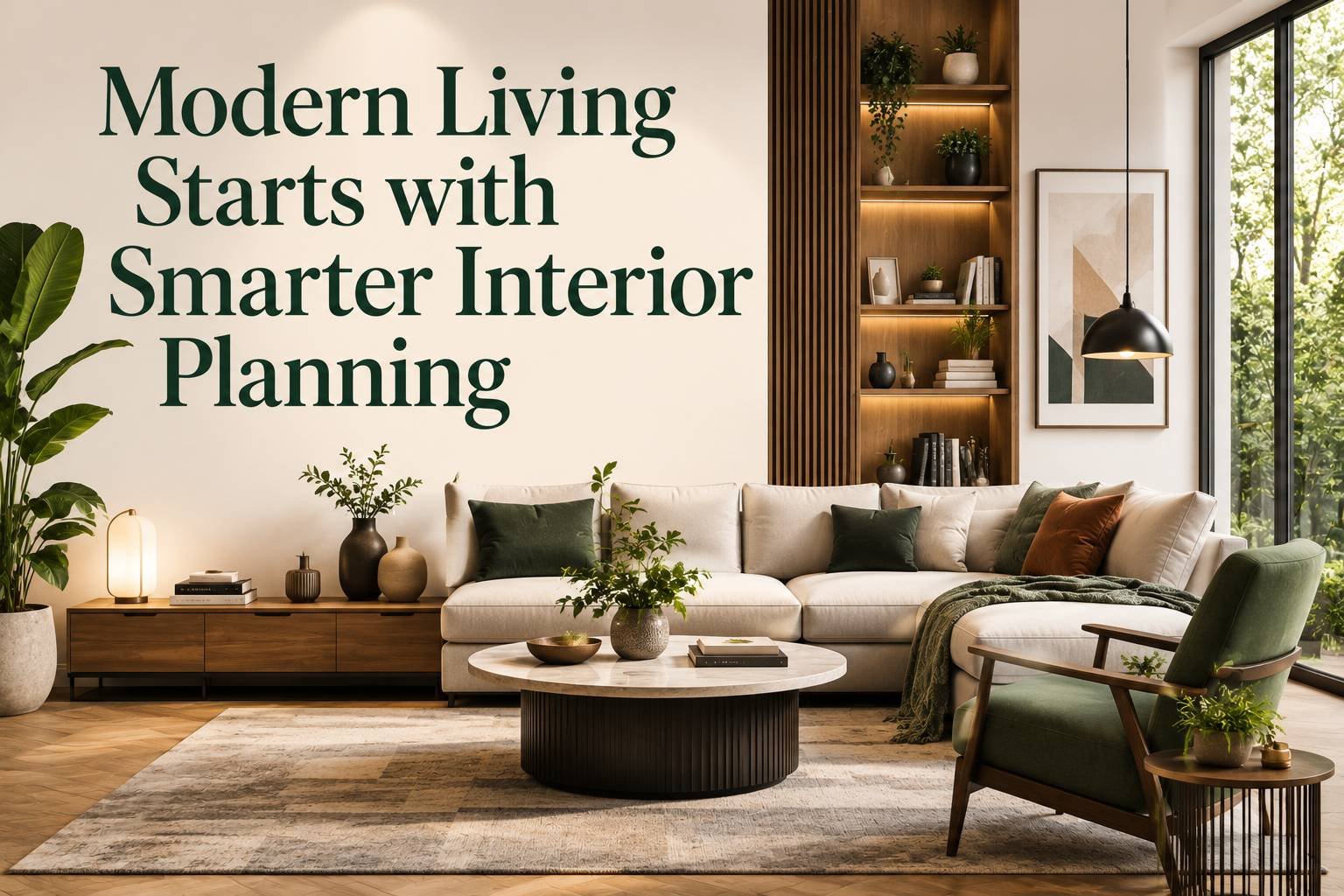
Modern homes are expected to do much more than provide shelter. They serve as places to work, relax, entertain guests, and spend quality time with family. With the ever changing lifestyles, interior planning has become a key component in designing spaces that help in facilitating daily comfort and effectiveness. Smart interior planning is based on functionality, flexibility, and beauty to make sure that all components of the home add to a superior living experience.
A lot of the homeowners prefer to hire an interior designer in delhi to design interiors that make the most of the available space and also represent their unique style. Professional planning makes sure that all the design choices are in line with the current and future lifestyle needs.
Begin with Purposeful Space Planning
Any successful interior begins with a clear idea of how each room will be utilized. Effective planning assists in determining areas of activities, enhancing mobility, and eradicating unnecessary space.
Rooms should be designed in accordance with the daily routines to make them more comfortable and practical. Functional layouts ensure that the homes appear more balanced and organized.
Create Flexible Living Spaces
The way people live nowadays usually demands that a single room serves more than one purpose. A workspace can be a living room and a guest room can also be a study or hobby room.
Adjustable layouts and adaptable furniture enable homeowners to optimize functionality without losing comfort. Multi-purpose spaces assist homes to adjust to the evolving needs of families with time.
Maximize Every Square Foot
An interior designer delhi ncr knows how to make even small houses look large by carefully planning. Smarter placement of furniture, in-built storage, and effective layouts can assist in making the most out of each corner.
Utilizing the available space optimally minimizes clutter and maximizes comfort and convenience. Well-designed interiors tend to appear bigger than they really are.
Prioritize Natural Light
Natural lighting is valuable in establishing comfortable living conditions. Bright interiors enhance the mood, productivity and make the rooms look more open and welcoming.
The use of large windows, glass partitions, and mirrors at strategic positions assist in the dispensation of daylight in the home. When the natural light is used properly, energy efficiency is enhanced as it brings the reliance on artificial light to a minimum.
Choose Furniture That Combines Comfort and Function
Furniture must be able to facilitate daily activities and complement the overall design. Large or misplaced furniture may cause crowding of rooms and limit movement.
The choice of ergonomic-design pieces, convenient storage, and appropriate proportions enhances comfort and functionality. Each item must add value to the general living experience.
Plan Storage Before Decorating
Smart interior planning is based on effective storage. Even beautifully designed homes can get cluttered without proper organization.
Most owners of homes collaborate with an interior designer in delhi ncr to include customized wardrobes, hidden storage and multifunctional furniture. Such solutions do not disrupt the appearance of interiors.
Use Colour to Influence Mood
The choice of colour directly influences the feel of a room. Light neutral tones provide a serene and open atmosphere, whereas vivid accents add a sense of character and aesthetics.
The use of a similar colour palette in the whole house brings harmony and enhances the movement between various spaces. Careful selection of colours also gives interiors a sense of unity.
Design with Future Needs in Mind
Interior planning should not focus only on present requirements. Lifestyle changes in the future such as extended families, older parents or working remotely should also be taken into account.
An interior designer delhi can design flexible interiors that can be adjusted according to the changing needs without any major renovations. The use of long-term planning enhances value and increases the longevity of the design.
Incorporate Smart Technology
Technology is now an irreplaceable aspect of contemporary life. The convenience and efficiency are enhanced by smart lighting, automated climate control, home security systems, and integrated entertainment solutions.
When these features are planned in the design phase, they would be easily integrated without affecting the aesthetics. Technology must improve daily living but must be user-friendly.
Balance Beauty with Practicality
A visually attractive home should also support daily activities. All the design choices must be made with regard to maintenance, longevity, comfort, and convenience in addition to the looks.
Combining quality materials, practical layouts, and timeless finishes creates interiors that remain functional and stylish for years. Homes with a good balance are more pleasant to live in and easier to maintain.
Conclusion
Modern living begins with smart interior planning that prioritises functionality, flexibility, and comfort alongside visual appeal. From efficient space planning and customised storage to natural lighting and adaptable layouts, every decision contributes to a better quality of life. Well-planned interiors support changing lifestyles while creating organised, comfortable, and inspiring living environments.
Ready for clearer vision? Book your appointment today with our expert eye care team!