How to Use Mirrors to Improve the Look and Feel of Your Interiors
Mirrors are more than practical accessories. When positioned thoughtfully, they can make rooms appear larger, brighter, and more balanced while adding personality to the overall design. Their reflective surfaces have the ability to increase natural and artificial light, add visual depth, and emphasize architectural features without necessitating significant structural modifications.
An interior designer in delhi can help homeowners choose the right size, shape, frame, and placement for every room. The idea is to make good use of mirrors instead of merely covering blank walls with refractive surfaces.
Make Small Rooms Feel More Spacious
An interior designer delhi ncr can use large mirrors to create the impression of greater depth in compact rooms. Having a mirror facing or beside a window can physically expand the area and reflect the daylight available.
Full-height mirrors are particularly effective in small bedrooms, corridors, and small living rooms. Nevertheless, too many walls may cause visual clutter, so one should balance.
Increase Natural Light
Mirrors can be used to spread daylight in a room when they are placed in strategic positions. A window that is opposite a mirror can reflect sunlight deeper into the interior and make darker areas brighter.
This effect is enhanced when mirrors are combined with light colored walls, transparent furniture and uncluttered surfaces. All these factors can be used to produce a more luminous environment without the use of artificial lighting fully.
Create a Strong Focal Point
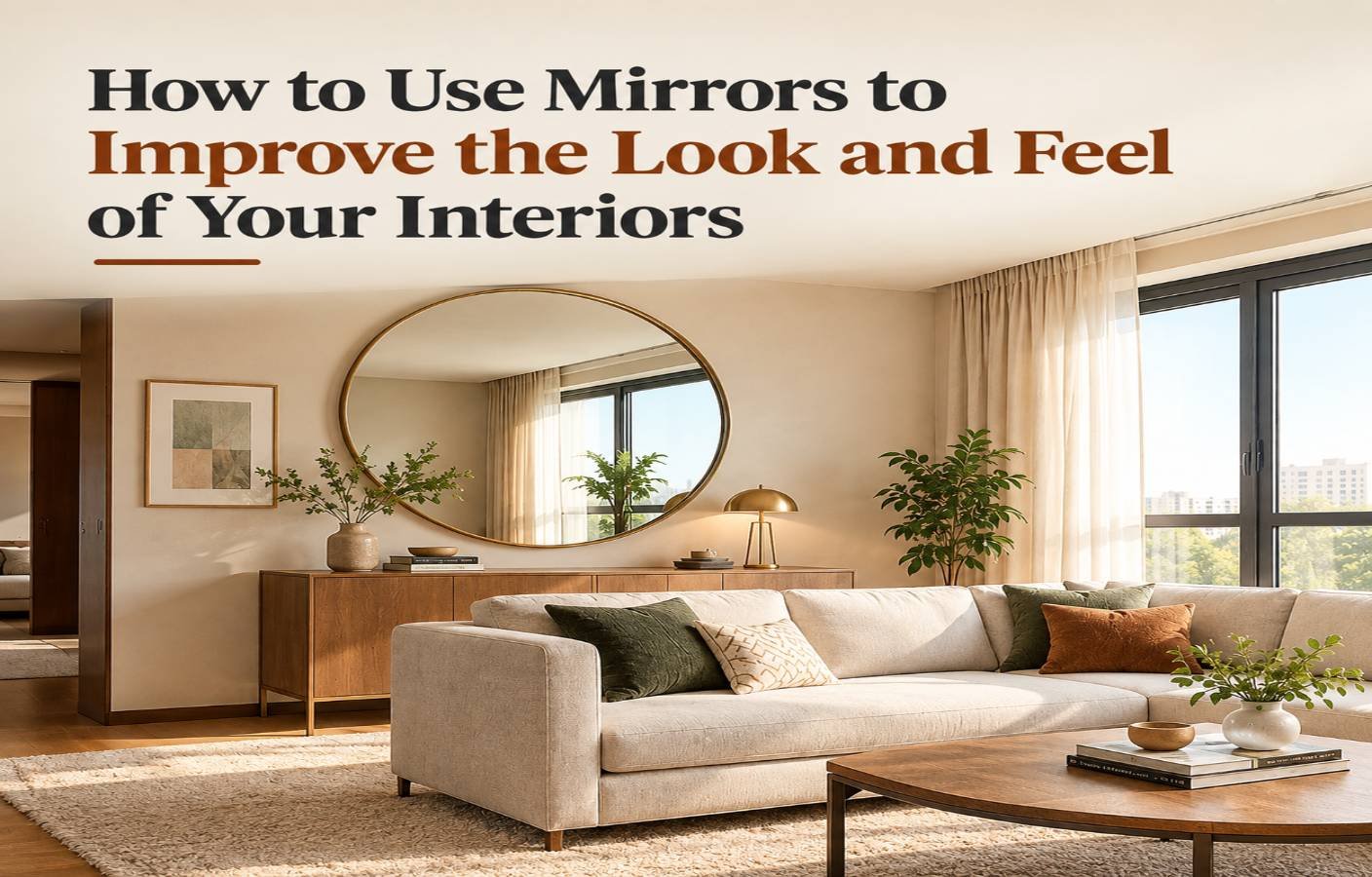
A room can be turned into a visual centerpiece by a statement mirror. Select a shape and frame that will match the furniture, colors, materials and architectural elements that are already there.
An interior designer in delhi ncr may place an oversized round mirror above a console, fireplace, or sideboard to create a balanced focal point. The mirror must complement the surrounding decoration instead of competing with other significant elements.
Enhance Entryways
Mirrors are best placed at entryways as they are practical and attractive. A strategically located mirror provides you with a good spot to check yourself out before leaving the house.
It may also be used to make a small foyer look bigger and more inviting. A combination of a mirror and a slender console, low-key lighting, and a few decorative items can make a sleek first impression without cluttering the space.
Add Depth to Living Rooms
Big blank walls in living rooms can be used to advantage reflective elements. A well-chosen mirror will discontinue a flat surface and provide depth and visual interest.
An interior designer delhi can choose a mirror that complements the room’s proportions and furniture arrangement. Positioning it above a console or opposite an attractive feature can reinforce the overall composition.
Choose Shapes That Suit the Design
The shape of a mirror can influence the personality of an interior. Round mirrors may be used to ease rooms with straight lines and rectangular shapes may be used to facilitate structured and modern spaces.
Unconventional or natural forms may add a new artistic touch and provide visual dynamism. Select a design that will not create a contrasting shape to an existing architecture.
Pay Attention to Frames
The frame can be just as important as the mirror itself. Wooden frames may bring in warmth, metal frames may give a modern look and decorative finishes may be used to complement traditional interiors.
Align materials with surrounding furniture, lighting and hardware. The continuity of similar finishes in a room makes it look continuous and avoids the appearance of the mirror being out of place.
Improve Bedroom Functionality
Mirrors can help to expand bedrooms and accommodate daily activities. Full-length designs come in particularly handy in the vicinity of wardrobes, dressing areas, or closet doors.
Do not put mirrors in places where they reflect clutter, glare, or distracting objects. Rather, place them in a way that reflects natural light or reflects a well-designed section of the room.
Use Mirrors in Dining Areas
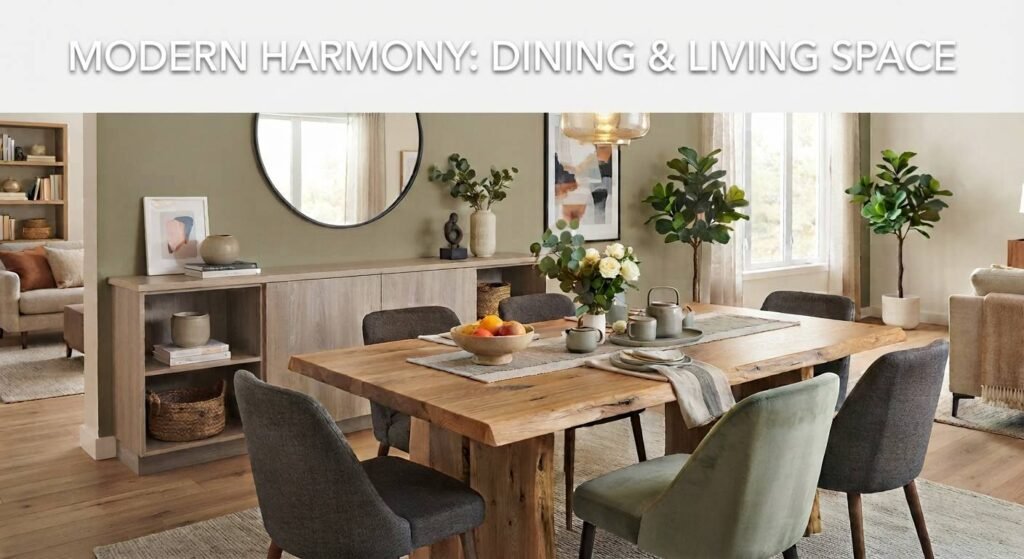
Statement mirrors can be used in dining rooms, particularly where the room is perceived to be flat or lack depth. A broad mirror is able to reflect the light and give the illusion of a more open space.
Think carefully before making a final decision on placement, what the mirror will reflect. An attractive composition can be made by a well-decorated wall or a lighting element, whereas the room can be less organized due to cluttered reflections.
Combine Mirrors With Layered Lighting
Mirrors are particularly useful when there are several sources of light. Wall sconces, pendant fixtures, recessed lights, and accent lamps can produce beautiful reflections as well as enhance the atmosphere.
An interior designer in delhi ncr can position mirrors to amplify useful light without creating uncomfortable glare. Even smaller rooms can be made to look brighter and more welcoming in the evenings with proper placement.
Conclusion
Mirrors have the ability to change interiors when they are selected and placed intentionally. They are able to make small rooms look bigger, reflect natural light, provide focal points, add depth, and enhance the overall visual balance of a home. Mirrors can be used intelligently to create effective design features that make interiors look brighter, larger and more elegant.
Ready for clearer vision? Book your appointment today with our expert eye care team!