Dining Room Design Ideas for Stylish Everyday Living
A dining room should feel inviting enough for everyday meals while being stylish enough to welcome guests. It must accommodate comfortable seating, ease of movement, convenient storage, and an environment that makes people want to spend time together. Even a small dining space can be transformed into a useful and appealing section of the house with careful planning.
An interior designer in delhi can help homeowners balance furniture proportions, lighting, colors, storage, and circulation. The aim is to make the dining area appear refined yet not too formal to be used in the daily family routine.
Choose a Table That Fits Your Lifestyle
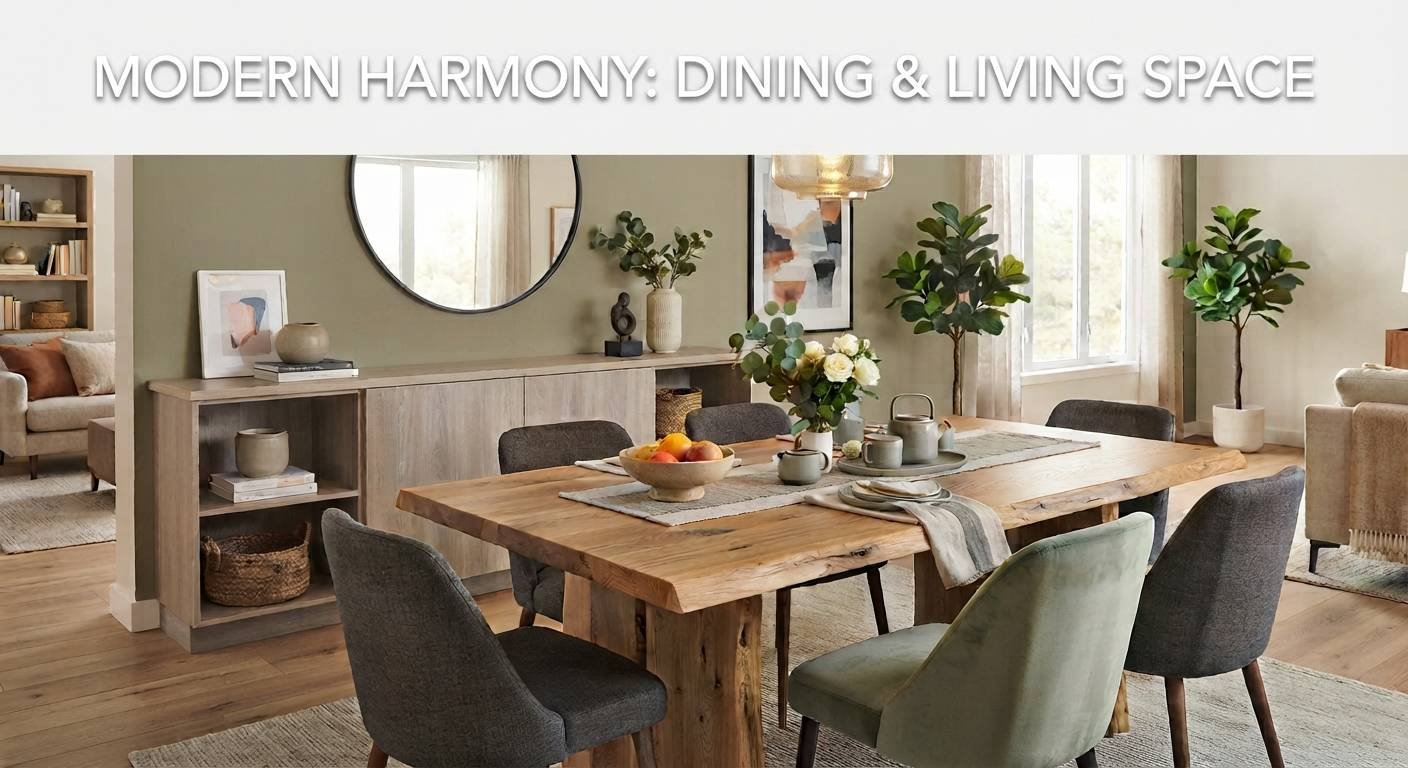
The functional center of the room is the dining table. It must be of the right size and shape to suit the space available and the daily needs of the household. Rectangular tables may be used in longer rooms, whereas round or oval tables may help to move around in smaller spaces.
Take into account the number of people who typically dine together and the frequency of the necessity of more seats. Tables that can be extended will be particularly helpful to families that sometimes have more guests and do not need a permanently large table.
Plan Comfortable Seating
Dining chairs are to be supportive and not too close together to move around the table. An interior designer delhi ncr can help homeowners select seating that matches the table’s proportions and overall room aesthetic.
Do not overcrowd the dining room with excess chairs that cannot be comfortably accommodated in the room. Upholstered seats can add warmth and comfort, while lightweight chairs make rearranging the space easier when entertaining guests.
Make Lighting a Focal Point
Lighting is able to transform the mood of a dining room entirely. A strong focal point can be achieved by placing a pendant light or chandelier over the table to give focused light during meals.
Provide flexibility by layering the lighting using wall sconces, recessed lights or accent lights. Dimmer controls are especially handy as they enable the room to transition between bright family breakfasts and more gentle evening dinners.
Use Color to Set the Mood
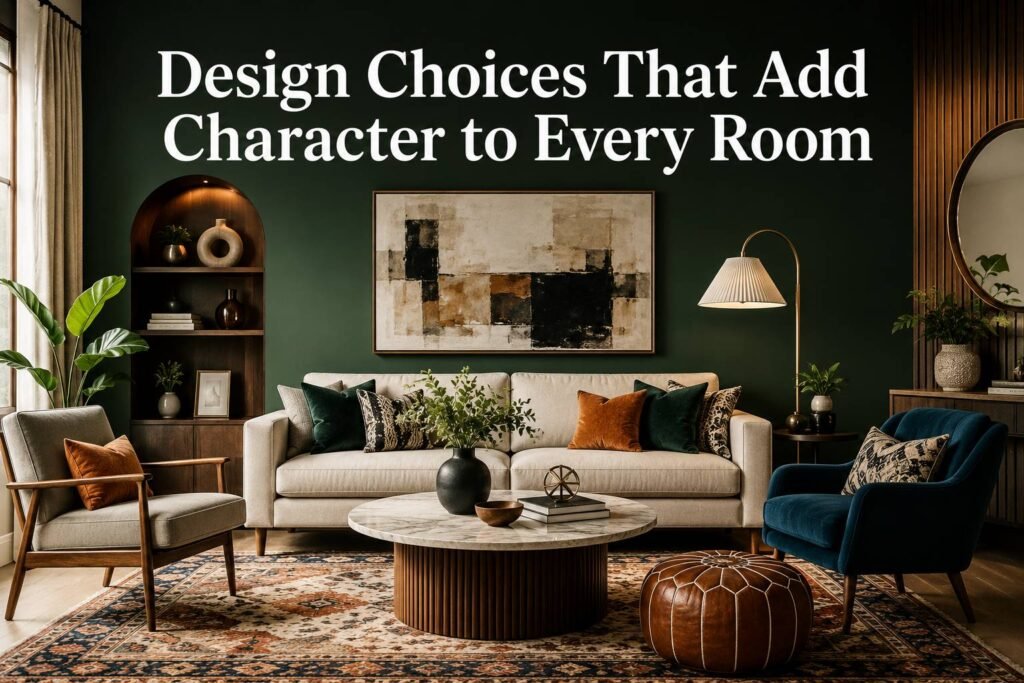
The color may make a dining room look more welcoming and spacious. Neutral colors can be used to provide a classic backdrop, and darker colors can be used to bring drama and elegance to bigger areas.
An interior designer in delhi ncr can help coordinate wall colors with furniture, flooring, curtains, and decorative elements. The use of a steady palette provides a visual harmony and lets the accents be chosen to add personality.
Add a Practical Storage Solution
Dining rooms frequently require storage of tableware, serving pieces, linens, or decorative items. These necessities can be stored in a sideboard, cabinet or built-in unit without crowding the dining table.
Select storage according to what your family actually needs. Glass-front cabinets may be used to showcase pretty dinnerware, whereas closed cabinetry is more effective with items that should be concealed.
Create an Attractive Wall Feature
Dining room walls provide excellent opportunities for introducing character. Visual interest can be achieved through artwork, textured panels, wallpaper, mirrors or decorative shelving without consuming valuable floor space.
An interior designer delhi can assist in deciding which wall to make the center of attention and the size of the feature. The selected element must not be in conflict with the table and lighting but should be complementary.
Use Mirrors to Add Depth
Small dining spaces can be brightened and enlarged with the help of mirrors. A big mirror that is placed in a strategic position can reflect light and provide a depth to the room.
Be mindful of what the mirror reflects. Beautiful reflection can be made by attractive lighting, artwork, greenery or a well-styled wall and vice versa.
Keep the Layout Easy to Navigate
Even a fancy dining room requires easy movement. Create a spacious area around the table to allow chairs to be moved out of the way without obstructing doorways, cabinets, or walkways.
Do not put large furniture where it will interfere with movement. The open circulation route simplifies daily meal preparation and enables the guests to move freely during larger events.
Bring in Texture and Natural Elements
A dining room is not made to look flat or too formal due to texture. Wooden floors, woven fabrics, textured fabrics, ceramics, and greenery can provide warmth and visual interest.
Natural elements also create a more relaxed atmosphere for everyday meals. An indoor plant, wooden serving board or a simple centerpiece can add character without over-decoration.
Design for Everyday Flexibility
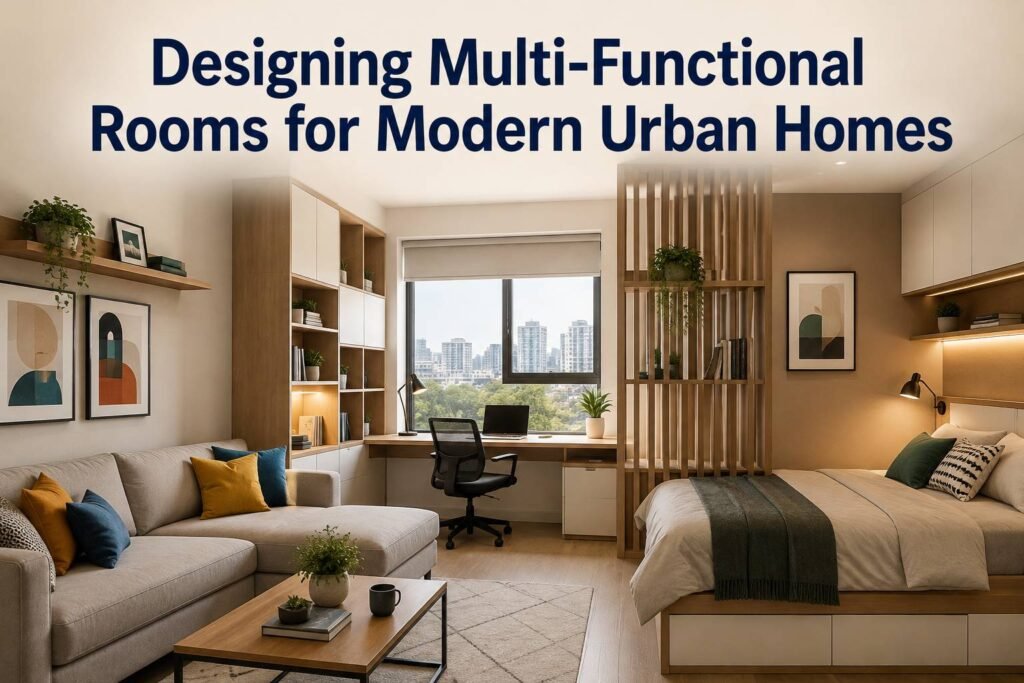
Dining areas increasingly serve multiple purposes beyond eating. They can be turned into homework areas, work areas, craft areas, or family discussion areas.
An interior designer delhi ncr can create flexible solutions such as extendable tables, movable seating, nearby storage, and integrated charging points. These characteristics assist the dining room to evolve without losing its main purpose.
Conclusion
An elegant dining room must be created based on actual daily routines as opposed to looks. Comfortable seating, right table, layered lighting, practical storage, considerate colors, and flexible layouts can make the space look friendly and functional during the day. Even a small dining space can be turned into a beautiful place to have family meals, and daily life with proper attention to proportion, circulation, and personal style.
Ready for clearer vision? Book your appointment today with our expert eye care team!