How to Design an Ergonomic Home Office for Better Productivity
Working at home is flexible, yet a poor workspace may influence focus, posture, and performance. A comfortable home office will keep you focused and minimize physical stress when working long hours. The key is to combine ergonomic furniture, proper lighting, organized storage, and a layout that supports your daily routine.
Whether you have a dedicated room or a small corner in your apartment, thoughtful planning can make your workspace more comfortable and functional. The following are some of the practical methods of designing an ergonomic home office that can help in enhancing performance.
Choose the Right Desk and Chair
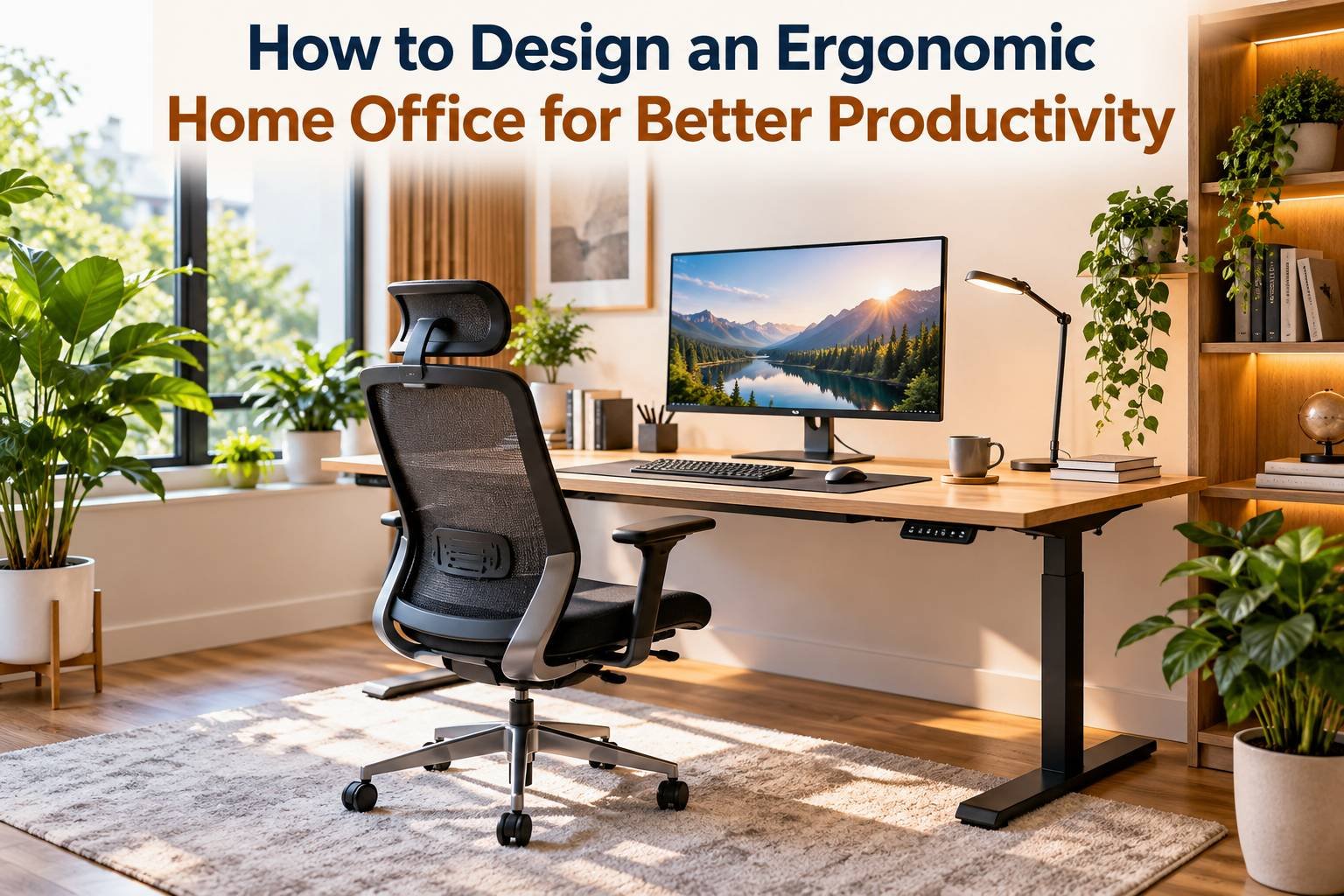
The basis of an ergonomic workspace is your desk and chair. A desk must be large enough to accommodate your computer, keyboard, documents and other necessities without crowding the surface.
Select a chair that has a lumbar support that can be adjusted to ensure that your lower back is in its natural position. Your feet must be flat on the floor and your knees should be at a level with hips. Remember to keep your shoulders loose when typing and adjust the chair to your desk.
In case you are planning a dedicated workspace, an interior designer delhi ncr can assist you in choosing furniture that is comfortable, fits the available space, and the general design of your home.
Position Your Monitor Correctly
Poor positioning of the screen may cause neck pain, eye pain, and bad posture. Preferably, place your monitor in front of you, about the length of an arm. The screen top must be at eye level or a little lower, as you are comfortable.
A separate keyboard, mouse, and laptop stand may be beneficial to laptop users. These accessories enable you to lift the screen without straining your hands and wrists into awkward positions.
Store commonly used gadgets in reachable places to prevent the need to twist or stretch repeatedly. A well-organized workstation minimizes unneeded movements and simplifies daily activities.
Improve Natural and Artificial Lighting
Proper lighting will enable you to read easily and minimize glare on your screen. Where possible, position your desk close to a window to enjoy natural daylight. Place the monitor at right angles to the window instead of facing it directly or having a bright window behind you.
Use natural lighting with adjustable task lighting on cloudy days and night shifts. A desk lamp with an appropriate brightness can be used to light up documents without making your screen hard to read.
An interior designer in delhi ncr can help coordinate window placement, artificial lighting, and wall finishes when planning a home office as part of a larger interior project.
Organize Your Workspace to Reduce Clutter
A messy desk may complicate the process of finding the necessary objects and staying focused. Make your working area tidy by giving each item a designated location such as stationery, notebooks, chargers, and documents.
Use these simple storage ideas:
Floating shelves should be installed to store books and supplies.
Select desk organizers to smaller accessories.
Wires should be handled using cable clips or cable trays.
Keep seldom used papers in labeled drawers or cabinets.
Store only things that you need regularly on your desk.
In small houses, a vertical storage can release precious desk space. Select storage options that allow easy access to everyday items without visual clutter.
Make the Most of Small Spaces
A separate room is not necessary to make a productive home office. A quiet bedroom corner, an unused alcove, or a section of the living room can work well with the right layout.
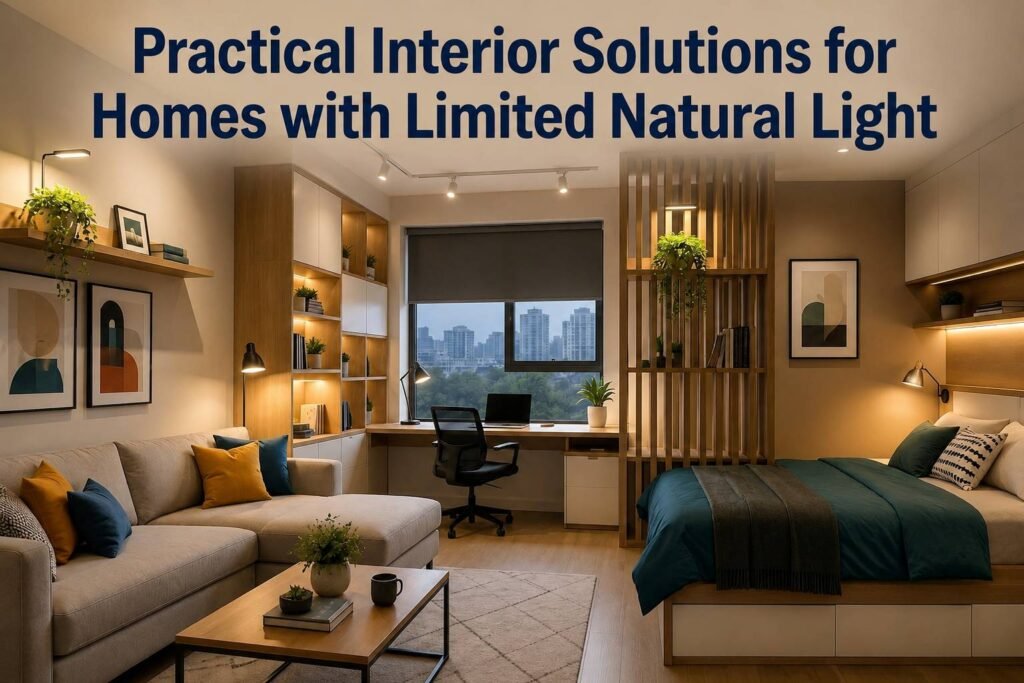
Choose a small desk, a comfortable chair, and wall-mounted storage to make the most of the space. When your office is in a room with other activities, then use a bookshelf, screen, or a rug to establish a visual barrier.
An interior designer delhi can help plan furniture placement, circulation, and storage for apartments where every square foot matters. The idea is to establish a specific working area without crowding the room.
Add Colors and Elements That Support Focus
Your surroundings can influence how comfortable and focused you feel while working. Select colors that are appealing to you without causing any visual distraction. Light colors, light greens and light blues can be used to make the atmosphere calm, and small accent colors can be used to give the color a personality.
The workspace can be made welcoming with indoor plants, framed artwork, and personal photographs. Nevertheless, store ornaments out of the working space.
If you want a cohesive look, an interior designer in delhi can help coordinate colors, materials, lighting, and furniture with the rest of your home’s interiors.
Conclusion
An ergonomic home office is a combination of supportive furniture, correct placement of the monitor, good lighting, well-organized storage, and a layout that fits your space. Even minor changes can make your daily work more comfortable and can assist you in staying focused. Through careful design and some sensible modifications, you can design a home office that is conducive to productivity without sacrificing comfort or style.
Ready for clearer vision? Book your appointment today with our expert eye care team!